
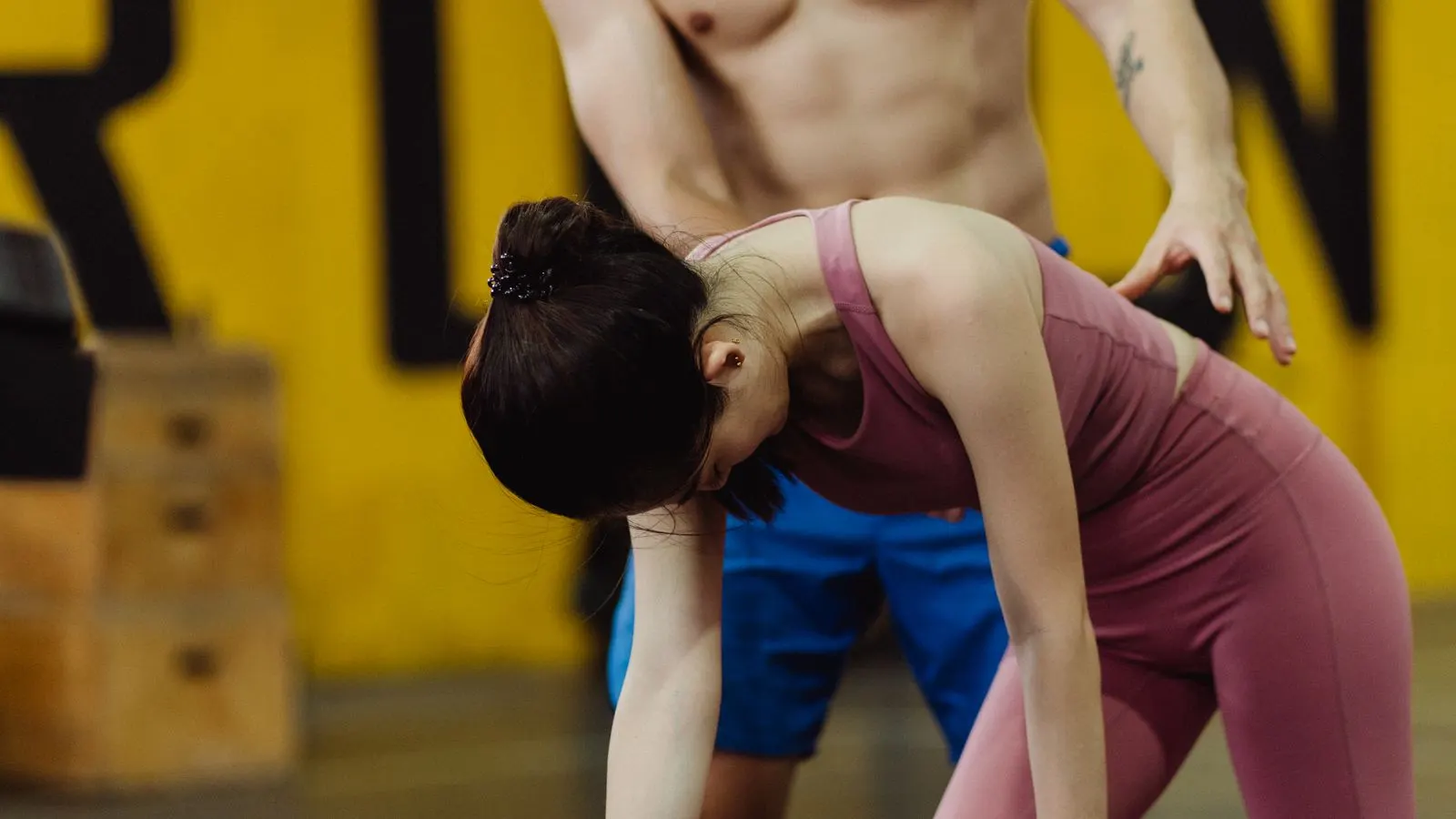
An AI personal trainer is a digital fitness guide that uses information about your goals, preferences, and activity to shape a more relevant workout experience. The best versions do not try to replace human expertise. They make everyday training easier to start, follow, and repeat.
How an AI personal trainer works
A typical AI fitness app begins by learning what you want to improve, how experienced you are, which workouts you enjoy, and how much time you have. It can then organize suitable sessions and make the next choice feel less overwhelming.
Some apps also create a more interactive experience during the workout. Clear demonstrations, pacing cues, timers, and movement guidance help you understand what comes next without constantly stopping to read instructions.
Where personalization helps most
Personalization is useful when your schedule or energy changes from day to day. A plan that only works on perfect weeks rarely lasts. A flexible app can help you choose a shorter workout, a lower-impact option, or a different training style while keeping the habit intact.
It can also introduce variety with purpose. Instead of choosing random workouts, you can balance demanding sessions with mobility, yoga, core work, or recovery-focused movement.
What AI fitness apps cannot do
An AI trainer cannot diagnose pain, treat an injury, or understand your health history as fully as a qualified clinician or coach. Stop if you feel sharp pain, dizziness, chest pain, or unusual shortness of breath, and seek professional advice when needed.
Technology is most helpful when it supports your judgment—not when it encourages you to ignore warning signs or chase intensity at any cost.
How to choose the right app
Look for an app with clear workout descriptions, options for different levels, a useful mix of training styles, and guidance that is easy to understand. The experience should reduce friction: you should know what to do, how long it will take, and what equipment you need before you begin.
Most importantly, choose something you want to return to. Consistency with a realistic program is more valuable than a complicated program you avoid.
This article provides general fitness information, not individual medical advice. Choose movements suitable for your ability and speak with a qualified professional when you have pain, an injury, or a health concern.