
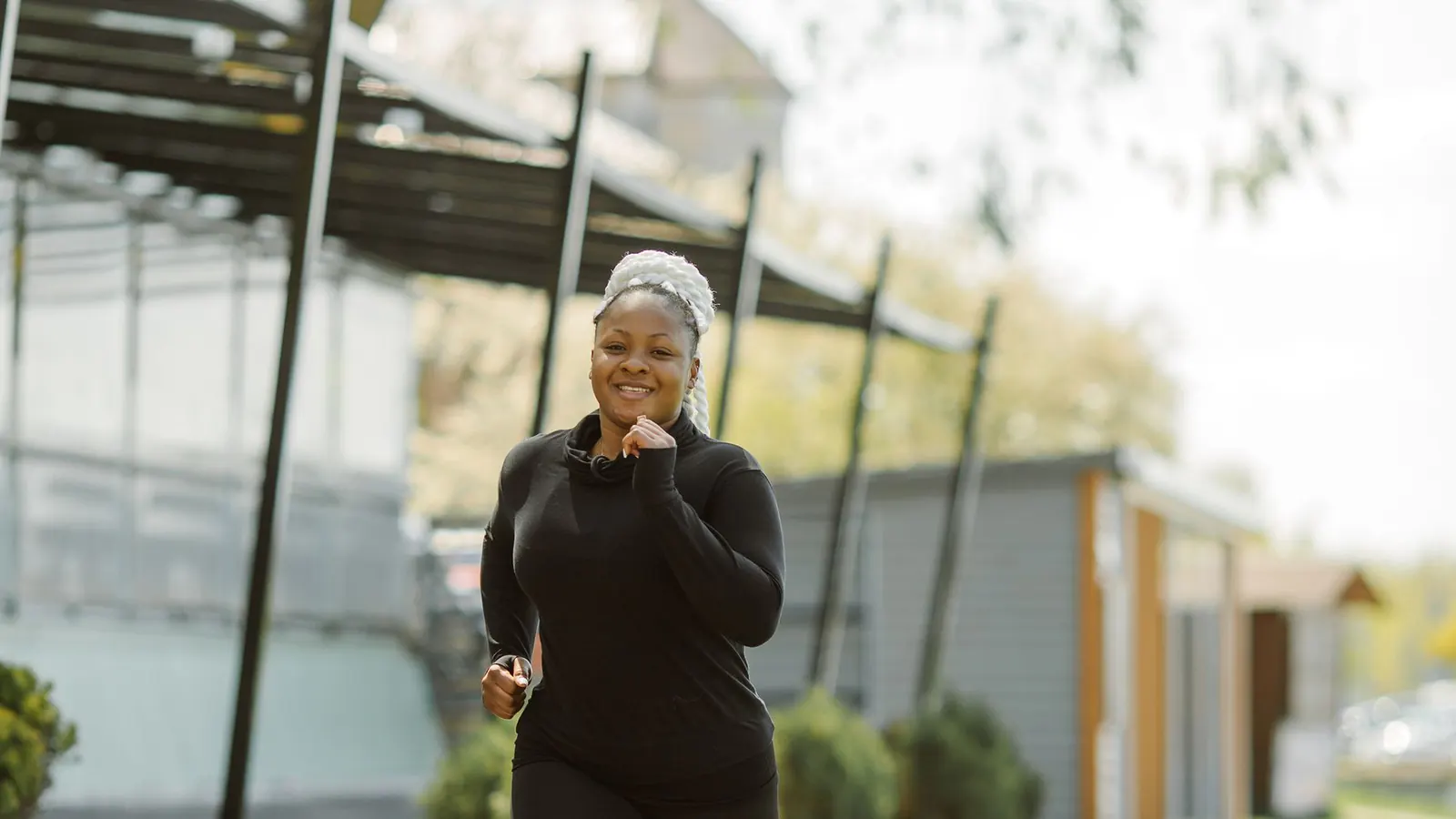
The best cardio for weight loss is the activity you can do consistently, recover from, and gradually increase. Brisk walking is the best starting point for many people because it is accessible and easier to repeat. Running, cycling, swimming, rowing, and intervals can also work. The deciding factor is not a magical exercise; it is a sustainable routine that helps create an overall calorie deficit.
The short answer: start with brisk walking
Brisk walking is a strong default because it requires little equipment, can be split into shorter sessions, and usually creates less joint and recovery stress than running or high-intensity intervals. Walk at a pace that raises your breathing while still letting you carry on a conversation.
If walking is uncomfortable or impractical, use the same principle with cycling, swimming, water exercise, or an elliptical: choose a mode you can perform regularly at a moderate effort. Consistency across months matters more than finding the activity with the highest calorie estimate for one workout.
Physical activity increases energy use, but weight loss also depends on food intake and other individual factors. Cardio provides health benefits even when body weight changes slowly or not at all.
Which cardio burns the most calories?
Vigorous activities such as running, fast cycling, and lap swimming generally use more energy per minute than easier walking. But calorie use varies with body size, pace, terrain, technique, and workout length. Machine and watch estimates are useful as rough comparisons, not precise permission to eat a specific amount.
A lower-impact session can still contribute more across the week if it lets you train longer and recover well. The most useful comparison is total repeatable activity, not the hardest ten minutes you can tolerate.
| Cardio type | Why it works | Best fit | Watch for |
|---|---|---|---|
| Brisk walking | Accessible and easy to repeat | Beginners, active recovery, longer sessions | Increase time or hills gradually |
| Incline walking | Raises effort without running speed | Treadmill users who want more challenge | Holding the rails changes the workload |
| Cycling | Joint-friendly and easy to scale | People who prefer seated cardio | Bike setup and road safety |
| Swimming or water exercise | Low impact with whole-body demand | People comfortable in the water | Pool access and swimming skill |
| Running | Time-efficient vigorous cardio | People who already tolerate impact | Build volume slowly to manage overuse |
| Rowing or elliptical | Adjustable full-body or low-impact effort | Indoor training and variety | Learn technique before chasing speed |
| HIIT | Short, demanding intervals | Experienced exercisers with limited time | Higher fatigue; not required for fat loss |
Use the talk test to choose intensity
At moderate intensity, your breathing and heart rate are noticeably faster, but you can still talk. At vigorous intensity, speaking more than a few words becomes difficult. Most beginners can build a larger, more repeatable weekly total by keeping most cardio moderate.
Intervals are optional. If you enjoy them and already have a base of regular activity, try one short interval session a week: alternate 30 to 60 seconds of hard-but-controlled work with one to two minutes of easy recovery. Stop the interval before your movement quality falls apart.
How much cardio should you do for weight loss?
For general health, U.S. guidance recommends at least 150 minutes of moderate aerobic activity per week, 75 minutes of vigorous activity, or an equivalent combination. Adults should also do muscle-strengthening activity on at least two days. Build toward the aerobic target rather than treating it as a first-week requirement.
Some people need more activity for weight management, and the amount varies widely. Increase your weekly total by adding five to ten minutes to a few sessions or by adding one easy day. A plan that preserves sleep, strength, and normal energy is more sustainable than a sudden jump to daily hard cardio.
| Day | Activity | Effort |
|---|---|---|
| Monday | 30-minute brisk walk | Moderate |
| Tuesday | Full-body strength workout | Controlled |
| Wednesday | 20–30 minutes cycling, swimming, or easy jogging | Easy to moderate |
| Thursday | 20-minute walk or recovery | Easy |
| Friday | Full-body strength workout | Controlled |
| Saturday | 30–45 minutes of preferred cardio | Moderate |
| Sunday | Rest or gentle walk | Easy |
Cardio mistakes that make the plan harder to sustain
Doing every session at high intensity often creates more fatigue than progress. Keep easy days genuinely easy, use supportive footwear for impact activities, and vary the mode when the same motion repeatedly irritates a joint or tendon.
Do not judge the plan only by sweat, a watch estimate, or the next morning's scale weight. Hydration, food, and normal fluid shifts can move body weight from day to day. Track the routine across several weeks and adjust one part at a time.
- Starting with daily running after a long inactive period
- Using HIIT for every cardio session
- Adding time and intensity in the same week
- Treating strength training as optional
- Choosing an exercise you dislike because it appears to burn more calories
- Ignoring persistent pain, dizziness, chest pain, or unusual shortness of breath
How to choose your best cardio
Pick two options: one reliable activity you can do almost anywhere and one alternative for variety. For example, use brisk walking as the base and cycle or swim once a week. Schedule the first two weeks before trying to optimize the details.
After two to four weeks, review what actually happened. If you completed the sessions and recovered well, add a little time or pace. If you repeatedly skipped them, change the time, location, or activity. The best cardio for weight loss is the one that survives contact with your real week.
Frequently asked questions
Is walking or running better for weight loss?
Running usually uses more energy per minute, while walking is often easier to repeat and recover from. Choose running if you tolerate impact and enjoy it; choose brisk walking if it helps you build more consistent weekly activity.
Is 30 minutes of cardio enough to lose weight?
Thirty minutes can make a useful contribution, especially when repeated during the week. Weight loss depends on your overall energy balance, eating pattern, activity, and individual context—not one session length.
Is HIIT the best cardio for losing belly fat?
No cardio exercise can choose where fat is lost. HIIT is one time-efficient way to train, but it is not required. Regular moderate cardio, strength training, and a sustainable eating pattern are usually easier to combine long term.
Should I do cardio every day for weight loss?
Daily easy movement may be appropriate for many people, but hard cardio does not need to happen every day. Mix easier and harder sessions, include strength work, and use recovery days when fatigue or soreness builds.
This article provides general fitness information, not individual medical advice. Choose movements suitable for your ability and speak with a qualified professional when you have pain, an injury, or a health concern.
Sources
Jamie’s Fit uses authoritative health guidance to review general exercise recommendations.